What Is Meditation?
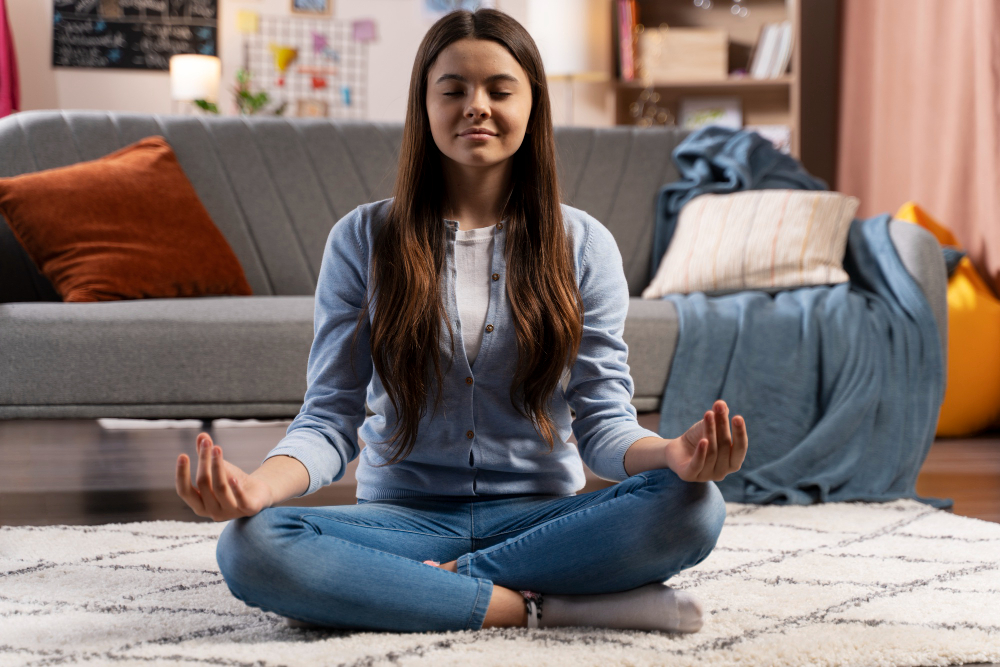
Meditation is a simple practice that helps calm the mind. Many people use meditation to relax and focus. In fact, how meditation helps manage stress and improve self-awareness is a common question. Meditation often involves sitting quietly and paying attention to your breath. Sometimes, people repeat a word or phrase. Others may focus on sounds or body sensations. Although there are many types, all forms aim to bring peace and clarity.
The Science Behind Meditation and Stress Reduction
Many studies show that meditation can lower stress. For example, the CDC and WHO note that regular meditation helps reduce anxiety and stress levels. When you meditate, your body relaxes. As a result, your heart rate and breathing slow down. This helps your body recover from stress. In addition, meditation can lower levels of stress hormones, such as cortisol. Because of these effects, the benefits of meditation for stress are well known in health research.
How Meditation Helps Manage Stress
So, how does meditation help manage stress? First, meditation teaches you to focus on the present moment. This means you worry less about the past or future. Next, meditation helps you notice your thoughts without judging them. Over time, this can make stressful thoughts feel less powerful. Also, regular practice can make you feel calmer during tough times. For many, meditation becomes a key part of their stress management techniques.
Meditation Techniques for Stress Management
There are several meditation techniques for stress management. Each method is easy to try at home. For example, you can start with just a few minutes each day. Here are some popular options:
Because these techniques are simple, anyone can use them as part of their daily routine.
How Meditation Improves Self-Awareness
Besides stress relief, meditation for self-awareness is also important. When you meditate, you learn to notice your feelings and thoughts. Over time, this helps you understand yourself better. For example, you may spot patterns in your thinking. As a result, you can make healthier choices. In addition, self-awareness can improve your relationships. You may react more calmly and kindly to others. Many people find that meditation helps them grow in confidence and understanding.
Practical Tips to Start a Meditation Practice
Starting a meditation practice does not have to be hard. Even small steps can make a big difference. For instance, you can set aside five minutes each morning. Here are some tips to help you begin:
With practice, meditation can become a helpful part of your daily life.
Frequently Asked Questions About Meditation and Stress
Is meditation safe for everyone?
Yes, most people can meditate safely. However, if you have mental health concerns, talk to your doctor first.
How long should I meditate each day?
Even five to ten minutes can help. Over time, you may want to meditate longer.
Can children try meditation?
Yes, children can benefit too. Simple breathing exercises are a good start.
Do I need special equipment?
No, you only need a quiet space and a few minutes of time.
How soon will I notice benefits?
Some people feel calmer right away. Others may notice changes after a few weeks of regular practice.